

Silent Vision Loss: Glaucoma Screening and Advanced Management for Lake Asbury & Starke Seniors

Glaucoma can gradually damage the optic nerve without causing noticeable symptoms during its early stages. Many seniors continue to read, drive, and complete daily activities comfortably while peripheral vision loss is already developing. For older adults in Lake Asbury and Starke, routine glaucoma screening is essential for detecting changes before they significantly affect vision.
Why Glaucoma Is Called the Silent Thief of Sight
The most common form, open-angle glaucoma, usually progresses slowly. Central vision may remain clear while side vision becomes increasingly limited. Because the brain adapts to gradual changes, many people do not recognize a problem until permanent optic nerve damage has occurred.
Glaucoma-related vision loss cannot be restored. However, early diagnosis and consistent management can help slow or prevent further damage.
Who Is at Higher Glaucoma Risk?
Age is an important risk factor, particularly after age 60. Seniors should also discuss screening frequency with their eye doctor if they have:
• A family history of glaucoma
• Elevated eye pressure
• Diabetes or certain cardiovascular conditions
• Previous eye injuries or surgeries
• Long-term corticosteroid use
• African American, Hispanic, or Asian heritage
Glaucoma can also occur when eye pressure falls within the normal range. This is why checking pressure alone is not enough to rule out the disease.
What Advanced Glaucoma Screening Evaluates
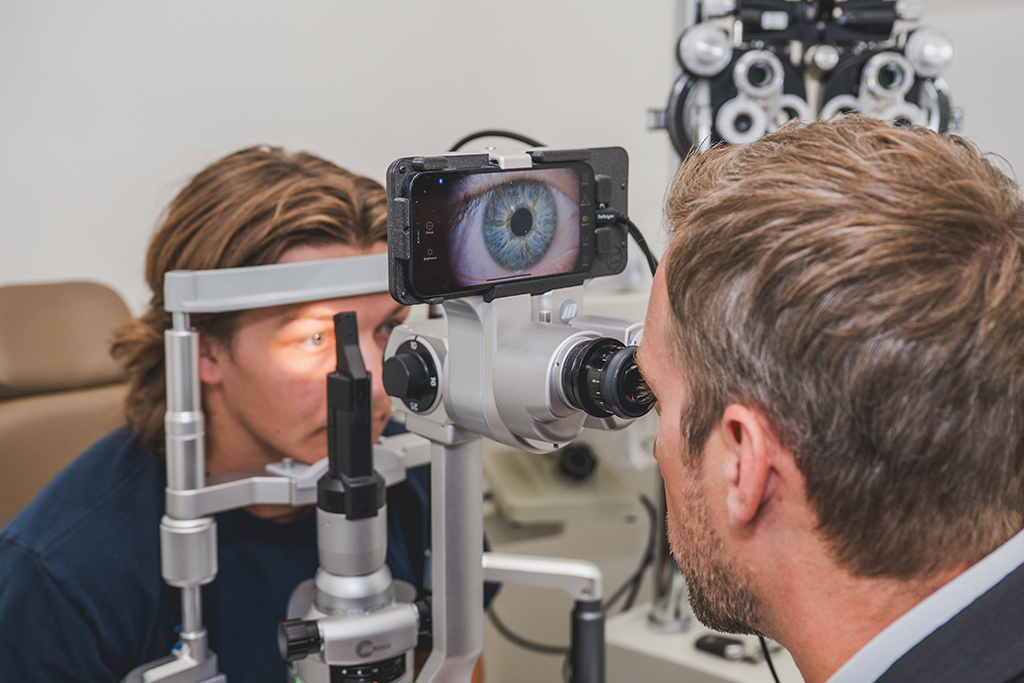
A comprehensive glaucoma evaluation examines several aspects of eye health. Tonometry measures pressure inside the eye, while a dilated examination allows the doctor to inspect the optic nerve for thinning or structural changes.
Optical coherence tomography, commonly called OCT, produces detailed images of the optic nerve and retinal nerve fiber layer. These scans can help identify subtle changes and provide measurements that can be compared over time.
Visual field testing evaluates peripheral vision and may reveal areas of vision loss that are not noticeable during everyday activities. Additional testing may be recommended based on eye pressure, corneal thickness, optic nerve appearance, family history, and previous results.
Personalized Glaucoma Management
Glaucoma management is based on the type and severity of the condition, individual risk factors, and evidence of progression. Treatment often begins with prescription eye drops that lower eye pressure. Some patients may require laser treatment or surgery, which can be coordinated with an ophthalmologist when appropriate.
Regular follow-up appointments are critical. Repeating OCT scans, visual field testing, and pressure measurements helps determine whether treatment is working or needs to be adjusted. Patients should use medications exactly as prescribed and report side effects instead of stopping treatment without medical guidance.
Protect Your Independence With Routine Screening
Preserving peripheral vision supports safer driving, mobility, balance, and independence. Seniors in Lake Asbury and Starke should not wait for noticeable vision changes before scheduling an examination. Consistent glaucoma screening provides the best opportunity to identify concerns early and protect functional vision.
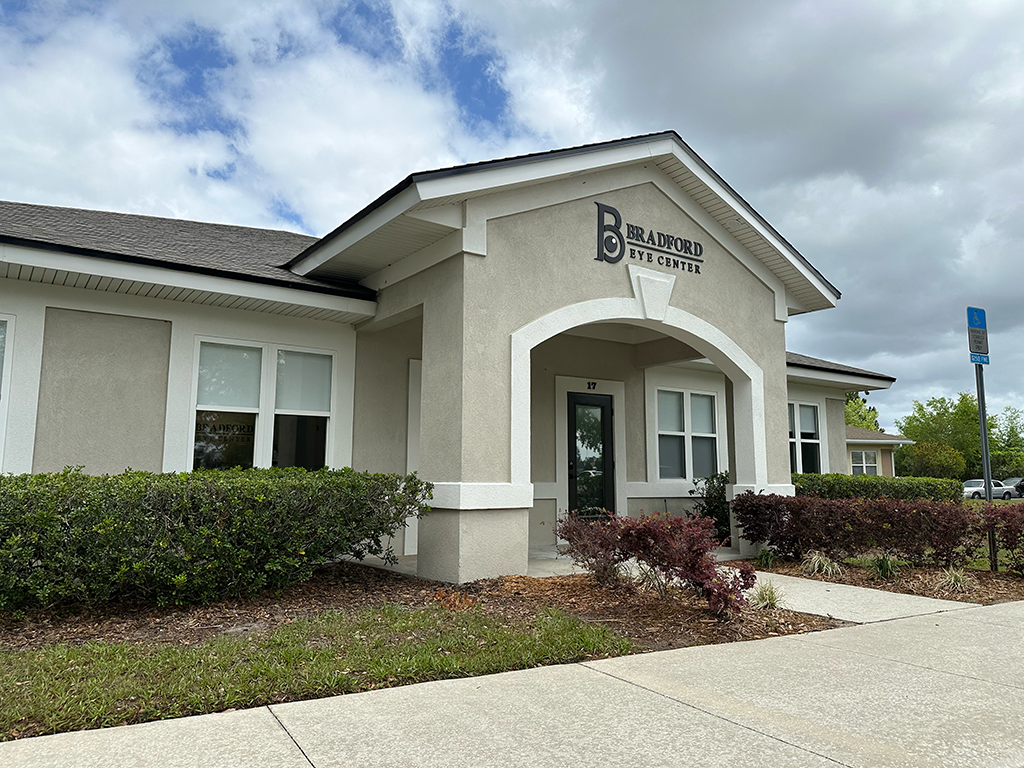
Schedule a glaucoma evaluation with Bradford Eye Center to help preserve and protect your vision. Contact our office in Starke or Green Cove Springs, FL, by calling (904) 964-8076 to book an appointment today.
our locations
Starke
Green Cove Springs/Lake Asbury
© 2026 Bradford Eye Center. All rights Reserved. Accessibility Statement - Privacy Policy - Sitemap
Managed and Designed By
