

Silent Vision Loss: How Advanced Glaucoma Testing Preserves Your Sight in Starke, FL
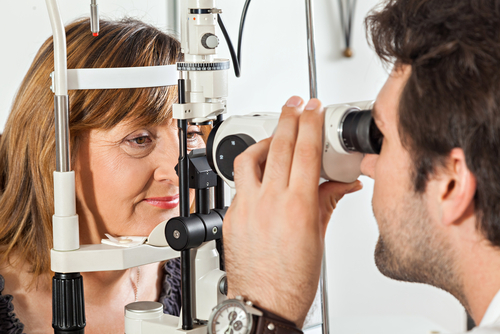
Silent Vision Loss: How Advanced Glaucoma Testing Preserves Your Sight in Starke, FL
Clear vision does not always mean healthy eyes. Glaucoma can damage the optic nerve before you notice changes in your everyday sight. At Bradford Eye Center, we help patients in Starke understand their risk and use advanced glaucoma testing to look for changes that a glasses prescription check alone cannot reveal.
Why Glaucoma Often Goes Unnoticed
The most common form, open-angle glaucoma, usually develops gradually without early pain or obvious symptoms. Peripheral vision can decline while reading and other central vision tasks still seem normal.
Because glaucoma-related vision loss is permanent, waiting for symptoms can delay care. Early detection gives us an opportunity to recommend treatment that can help slow further damage and protect remaining vision.
Why Eye Pressure Is Only Part of the Picture
Elevated eye pressure is an important risk factor, but a pressure measurement alone cannot diagnose or rule out glaucoma. Some people develop glaucoma with pressure in the normal range, while others have higher pressure without optic nerve damage.
We evaluate pressure alongside the appearance of the optic nerve, visual function, medical history, and other findings. This broader assessment helps us determine whether additional testing or closer monitoring is appropriate.
What Advanced Glaucoma Testing Can Show
Our glaucoma evaluations in Starke bring together different types of information. Depending on your needs, testing may include:
Eye pressure measurement: Tonometry measures pressure inside the eye and helps guide ongoing monitoring.
ZEISS OCT-A imaging: This technology provides detailed images of the retina and its blood vessels, adding information that can support disease evaluation and monitoring.
ZEISS Humphrey visual field testing: This test maps your visual field to identify areas of reduced sensitivity, including changes in peripheral vision.
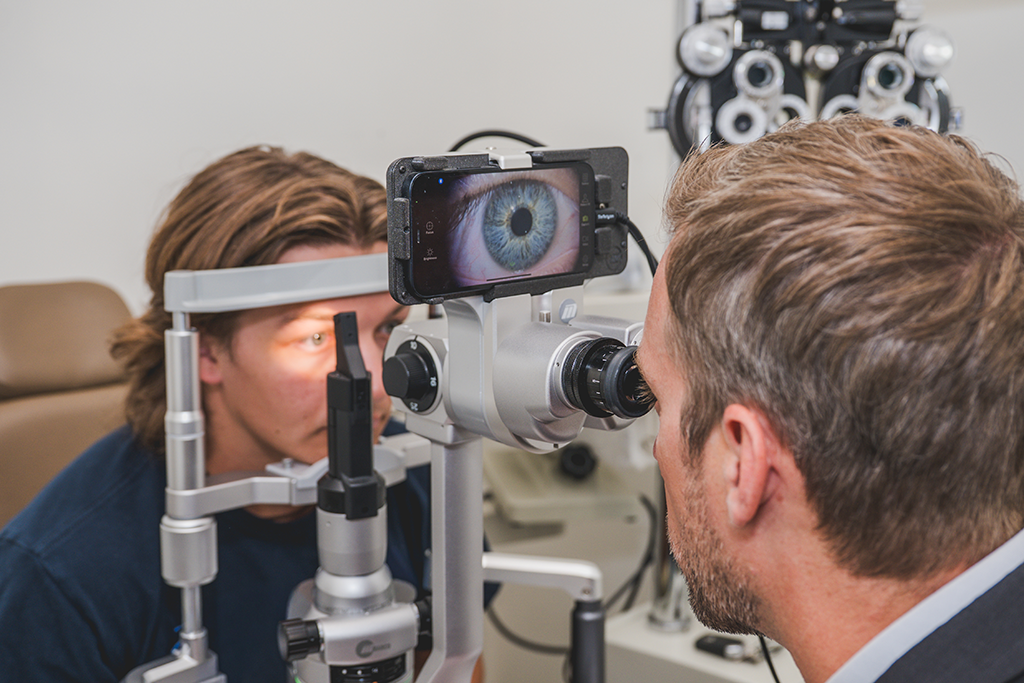
Optic nerve examination: We assess the nerve for signs of damage and use dilation when clinically necessary to examine the back of the eye.
Imaging complements the clinical examination and does not replace dilation when it is needed. We may also consider corneal thickness and the eye's drainage angle as part of a more complete glaucoma evaluation.
Why Repeat Testing Matters
A single visit provides useful information, but comparing results over time helps us determine whether your condition is stable or changing. Follow-up testing can reveal patterns that influence treatment decisions.
If we diagnose glaucoma, we explain your findings and recommend a care plan based on your individual needs. Treatment may involve prescription eye drops or referral for laser treatment or surgery when appropriate. Testing guides these decisions; treatment and consistent follow-up help reduce the risk of further vision loss.
When to Schedule an Evaluation
Regular comprehensive eye exams matter even when your vision seems unchanged. Increasing age and a family history of glaucoma can raise your risk. Let us know if a parent or sibling has glaucoma or if you have previously been told your eye pressure is elevated. We can recommend an examination and testing schedule suited to your eye health.
Schedule your comprehensive eye exam with Bradford Eye Center in Starke, FL, by calling (904) 964-8076. Our team can evaluate your glaucoma risk and discuss the testing appropriate for you.
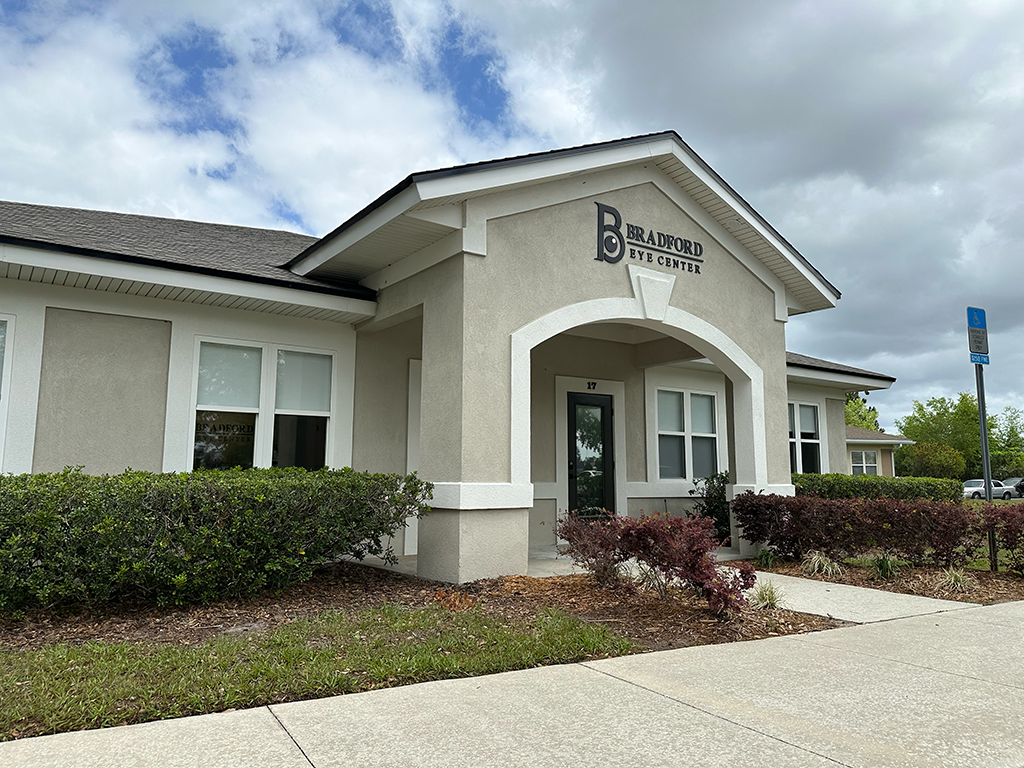
our locations
Starke
Green Cove Springs/Lake Asbury
© 2026 Bradford Eye Center. All rights Reserved. Accessibility Statement - Privacy Policy - Sitemap
Managed and Designed By
