

More Than a Glasses Prescription: Why Every Adult Over 40 Needs a Glaucoma Screening
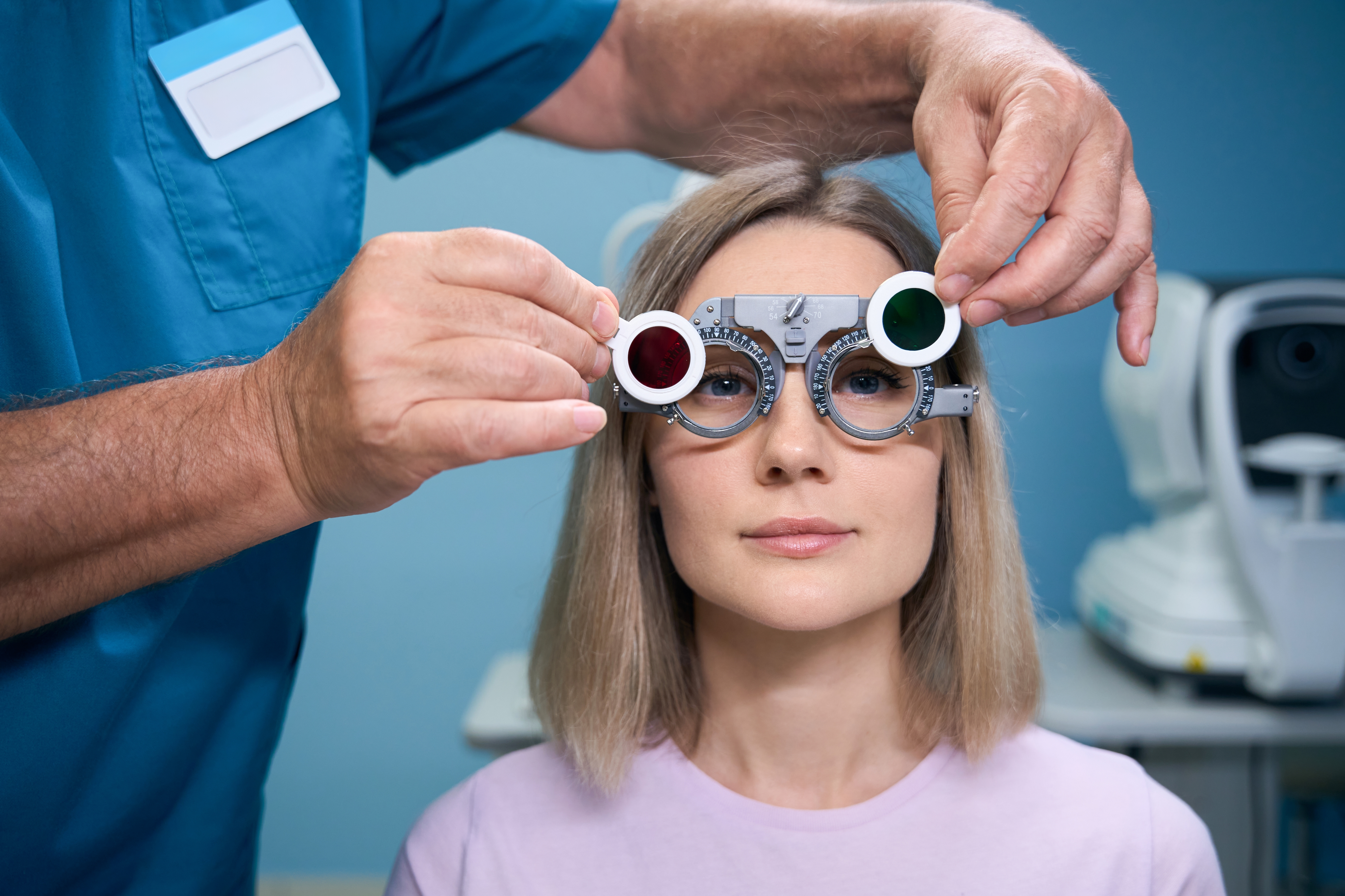
After age 40, an eye exam should be about more than checking whether your glasses prescription has changed. This is also an important time to pay closer attention to your overall eye health. Glaucoma can develop gradually without noticeable symptoms, making routine glaucoma screening an important part of protecting your vision as you get older. At Bradford Eye Center, we provide comprehensive eye care and glaucoma evaluations for patients at our Starke and Green Cove Springs/Lake Asbury locations.
Why Glaucoma Can Go Unnoticed
Glaucoma is a group of eye diseases that can damage the optic nerve, which carries visual information from the eye to the brain. One of the challenges with glaucoma is that the most common forms often progress without early warning signs.
Vision may seem perfectly clear while changes are occurring. Peripheral vision is often affected first, and those changes can be difficult to notice until the disease has progressed. This is why simply seeing clearly with your current glasses does not necessarily mean your eyes are healthy.
Why Age 40 Is an Important Milestone
The risk of several eye conditions begins to become more relevant as we move through adulthood. While glaucoma risk becomes particularly significant for certain higher-risk groups and older adults, age 40 is a good time to make comprehensive eye health evaluations a regular priority.
Some factors can increase your risk of glaucoma, including:
• A family history of glaucoma
• Elevated eye pressure
• Being over age 60
• Certain racial or ethnic backgrounds
• Diabetes or other health conditions
• Previous eye injuries
• Long-term use of certain medications
Your recommended exam schedule depends on your individual risk factors, eye health history, and previous test results.
What Does a Glaucoma Screening Check?
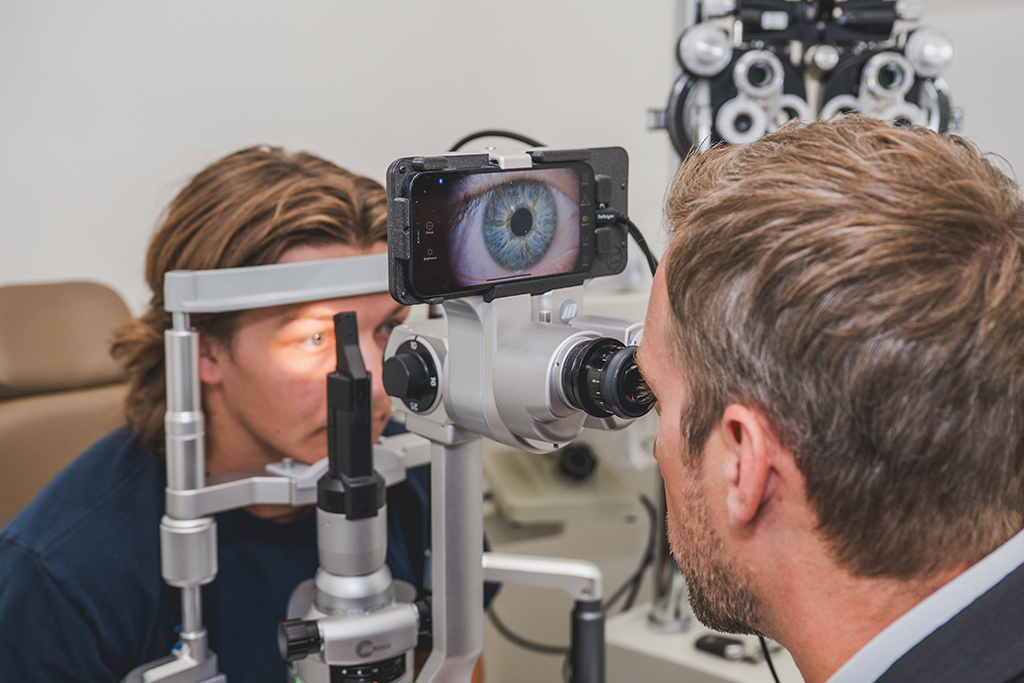
A glaucoma evaluation involves more than reading letters from an eye chart. During a comprehensive eye exam, we can evaluate eye pressure, examine the optic nerve, assess peripheral vision, and look for structural changes that could indicate glaucoma.
At Bradford Eye Center, we also use advanced diagnostic technology when appropriate. ZEISS OCT-A provides detailed imaging of the retina and optic nerve structures, while Optomap retinal imaging provides a wide view of the retina. These tools can help us document your eye health and monitor changes over time.
Early Detection Helps Protect Your Sight
Vision already lost from glaucoma cannot simply be restored with a stronger glasses prescription. Detecting glaucoma early gives us an opportunity to monitor the condition and recommend appropriate treatment before significant vision loss occurs. Even if your vision feels normal and your prescription has remained stable, your comprehensive eye exam provides important information that glasses testing alone cannot reveal.
Schedule your glaucoma screening with Bradford Eye Center to detect early signs of glaucoma and take proactive steps to protect your vision. Contact our Starke office or our Green Cove Springs/Lake Asbury office by calling (904) 964-8076 to book your appointment today.
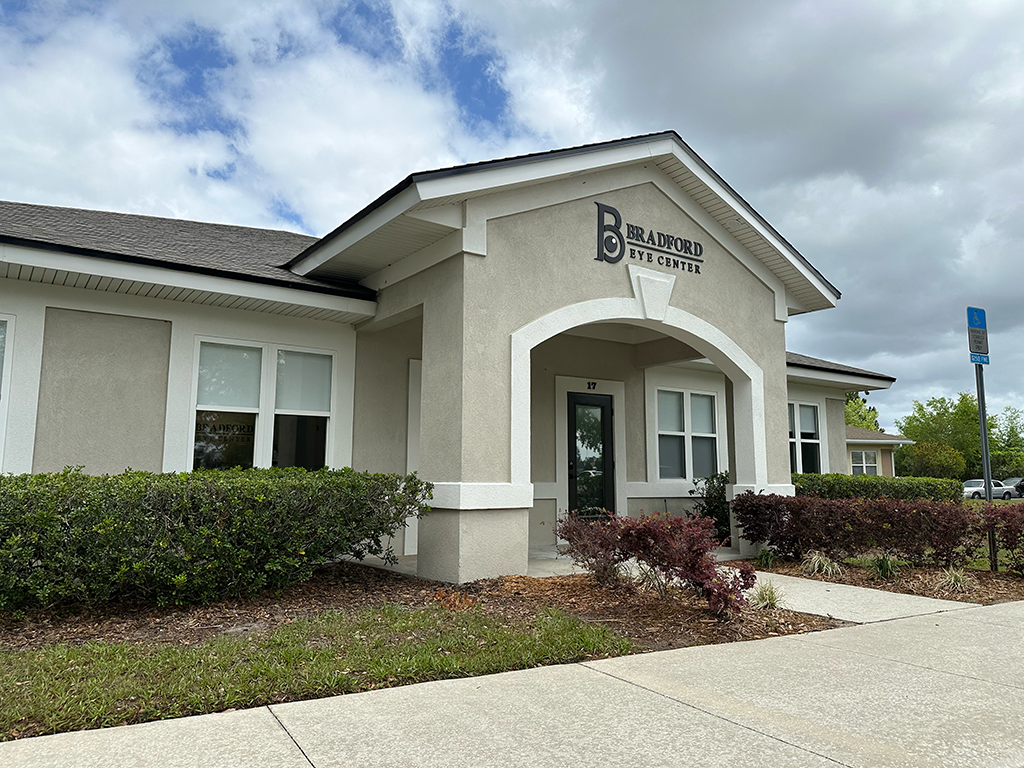
our locations
Starke
Green Cove Springs/Lake Asbury
© 2026 Bradford Eye Center. All rights Reserved. Accessibility Statement - Privacy Policy - Sitemap
Managed and Designed By
